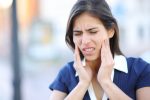


Jaw pain can make simple activities like eating, talking, or even yawning uncomfortable. If you feel pain around your jaw, visiting a dentist in Peterborough can help find the cause and give the right treatment. One common reason for jaw pain is TMJ disorder, which affects the joint that connects your jaw to your skull.
Knowing the early signs can help you take action before the condition becomes more serious.
How to Know if You Have TMJ
Many people are unsure how to know if they have TMJ because the symptoms may feel mild or come and go at first. The condition often develops slowly, making it easy to ignore at first.
Early signs to look for include:
- A dull pain in the jaw when chewing
- Clicking or popping sounds when opening or closing your mouth
- Tight feeling in the jaw muscles
- Slight trouble opening your mouth fully
These signs may not always be painful, but they can indicate that the jaw joint is under stress. If the symptoms continue or become more noticeable, it is important to get them checked.
What are the Symptoms of TMJ Disorder?
Understanding what the symptoms of TMJ disorder are can help you recognize the condition before it worsens. The symptoms can vary from person to person and may affect one or both sides of the jaw.
Common symptoms include:
- Pain in the jaw or nearby area
- Clicking or popping sounds when you move your jaw
- Headaches, especially near the sides of your head
- Ear pain even when there is no infection
- Trouble chewing or pain while eating
- Jaw getting stuck or hard to open and close.
Some people may also notice facial soreness or tension around the cheeks. These symptoms can make daily activities uncomfortable if not managed properly.
What Causes TMJ Disorder?
TMJ disorder can develop for several reasons. Identifying the cause helps guide the right treatment plan.
Common causes include:
- Teeth grinding or clenching.
- Injury to the jaw or joint
- Stress leading to muscle tension.
- Bite problems or misalignment.
- Joint conditions like arthritis
In some cases, more than one factor may be involved. A proper dental exam helps identify what is affecting the joint.
What to Do if You Have TMJ
If you are not sure what to do about TMJ, you can start with simple steps to reduce pain while you plan to see a dentist.
Helpful steps include:
- Avoid hard, chewy, or sticky foods
- Use a warm cloth on your jaw to relax the muscles.
- Do simple jaw exercises if your dentist suggests them
- Try not to clench your teeth during the day.
- Manage your stress as much as possible
These steps can help reduce pressure on your jaw. But if the problem continues, you should still see a dentist.
TMJ Disorder Symptoms That Should Not Be Ignored
Although the symptoms of TMJ disorder may appear small in the beginning, they can get serious. By considering these warning signs, serious issues could be avoided.
You should not ignore.
- Pain in the jaw that keeps coming back.
- Restricted movement or stiffness of the jaw.
- Discomfort that radiates towards the neck or shoulders.
- Pain that is more intense in the morning.
Waking up in discomfort could be linked to a condition known as teeth grinding that puts pressure on the jaw joint. Professional care is crucial if these symptoms persist.
TMJ Treatment Options
If your symptoms do not go away, TMJ treatment in Peterborough may be needed. The treatment depends on how serious the problem is and what is causing it.
Common treatment options include:
- Custom mouthguards to stop grinding and protect your teeth
- Bite adjustments to improve how your teeth fit together.
- Simple exercises or therapy to help your jaw move better
- Medicines to reduce pain and swelling
- Lifestyle changes to reduce pressure on your jaw
Your treatment plan is made based on your needs. The main goal is to reduce pain and help your jaw work normally again.
When Should You See a Dentist?
If jaw issues start affecting your daily routine, it’s important to visit a dentist near you. Early care can prevent the condition from getting worse.
You should seek dental care if:
- Jaw pain lasts more than a few days.
- Opening or closing your mouth becomes difficult.
- Chewing causes discomfort
- You hear frequent clicking along with pain.
A dental checkup helps identify the problem early and allows for timely treatment.
How TMJ Affects Daily Life
TMJ disorder can affect your daily life more than you may expect. If it is not treated, it can slowly make normal activities harder.
You may notice:
- Trouble enjoying certain foods
- Pain when talking for a long time
- Difficulty opening your mouth wide
- Tightness or pressure in your face or jaw
These problems can make everyday tasks uncomfortable. Getting early care can help your jaw work normally again.
Simple Ways to Support Jaw Health
Taking care of your jaw can help reduce the risk of TMJ problems or prevent symptoms from getting worse.
Helpful habits include:
- Avoid chewing gum frequently
- Maintain good posture, especially when using screens
- Take breaks if your jaw feels tired.
- Avoid biting hard objects, such as pens or ice.
- Keep up with regular dental visits.
These small changes can make a noticeable difference over time.
Take the Next Step Toward Jaw Relief!
Jaw pain should not be ignored, especially if it starts affecting your daily life. Getting the right treatment at the right time can help reduce pain and make your jaw work better. Chemong Family Dental offers care plans based on your needs to help manage jaw problems. Book your appointment today and take the first step toward a more comfortable and healthy smile.
FAQs
- Is TMJ disorder a long-term condition?
Yes, it can become a long-term problem if not treated early. With proper care, the symptoms can be controlled, and your jaw can work better. - Can TMJ cause headaches regularly?
Yes, TMJ can cause frequent headaches, especially near the sides of your head, because of muscle tension. - Does TMJ affect both sides of the jaw?
It can affect one side or both sides, depending on the cause and severity of the condition. - Can daily habits make TMJ worse?
Yes, habits like grinding, clenching, or chewing hard foods can increase stress on the jaw joint.