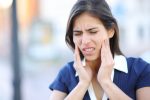


Could the way your teeth come together be linked to jaw discomfort or headaches? In some cases, an uneven bite can place extra pressure on certain teeth and make the jaw muscles work harder than usual. A dentist in Peterborough can examine how the upper and lower teeth meet and check whether an uneven bite may be contributing to your symptoms.
A bite adjustment makes small changes to certain teeth. It may be suggested when some teeth touch harder during biting or chewing. It can help the teeth meet more evenly and reduce extra pressure.
What Is a Bite Adjustment?
A bite adjustment, also called bite correction, involves making small changes to certain teeth so they fit together more evenly.
During the checkup, the dentist may look at:
- How your upper and lower teeth meet
- Areas with extra pressure
- Tooth wear or damage
- How your jaw moves
- Signs of clenching or grinding
- Pain when biting or chewing
If an uneven bite is causing problems, a small adjustment may help reduce pressure on certain teeth. The amount of adjustment depends on your bite and should only be done after a careful dental check.
How Can an Uneven Bite Cause Jaw Discomfort?
When the teeth do not meet evenly, some teeth may take more pressure than others. The jaw muscles may also work harder to position the teeth during chewing or closing the mouth. Over time, this may contribute to muscle tiredness, jaw soreness, or discomfort when chewing. A dentist near you can assess whether the bite may be related to these symptoms or whether another cause should be considered.
Jaw pain can have many possible causes, including:
- Teeth grinding
- Frequent jaw clenching
- Problems involving the jaw joint
- Tooth damage
- Dental infection
- Muscle tension
- Previous injury
Because of these different causes, bite adjustment is not automatically the right treatment for every person with jaw pain.
Can a Bite Adjustment Help With Headaches?
In some cases, jaw muscle tension may be linked with headaches. If an uneven bite contributes to extra muscle activity, adjusting the bite may help reduce that pressure in suitable cases. However, headaches can have many causes. A bite adjustment should not be presented as a general treatment for headaches. A dentist in Peterborough may first review the symptoms, examine the teeth and jaw, and look for signs that the bite could be contributing to the discomfort.
The assessment may consider:
- Where the headache occurs
- How often it happens
- Whether jaw pain occurs at the same time
- Signs of teeth grinding
- Jaw tenderness
- Changes in the way the teeth meet
This helps determine whether the symptoms may be connected to the bite.
What Happens During a Bite Adjustment?
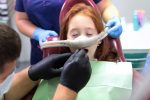
The visit usually starts with a bite check. The dentist may ask about pain, grinding, chewing problems, or other symptoms. The teeth are checked for areas with too much pressure. If needed, a small amount of tooth material may be carefully removed to help the teeth meet more evenly.
The steps may include:
- Bite check: The dentist checks how your teeth meet.
- Pressure check: Areas with extra pressure are found.
- Small adjustment: Selected teeth may be gently reshaped.
- Bite recheck: The bite is checked again.
- Follow-up: Your bite and symptoms may be checked later.
Only a small amount of tooth material should be removed when needed.
Who May Need a Bite Adjustment?
Not everyone with jaw pain needs a bite adjustment. It may be considered when an uneven bite is found to be contributing to discomfort or excessive pressure.
A dentist near you may discuss this option when there are signs such as:
- Uneven tooth contact
- Certain teeth receiving heavy pressure.
- Tooth wear related to biting forces.
- Discomfort when chewing
- Jaw muscle soreness
- A bite that feels different after dental treatment
The decision depends on the findings from the dental examination.
Can a Bite Adjustment Help After Dental Treatment?
Sometimes the way the teeth meet can feel different after treatments such as fillings, crowns, or other dental work. If a restoration feels too high when biting, it may cause discomfort when chewing. In these situations, a bite check can help determine whether the restoration is affecting the way the teeth meet.
A dentist in Peterborough can examine the treated tooth and surrounding teeth to determine whether a small adjustment is needed. Not every change in the bite requires treatment. Some patients may need time to adjust, while others may benefit from a correction.
What Are the Possible Benefits?
When an uneven bite is contributing to symptoms, a bite adjustment may help reduce excessive pressure on certain teeth and improve the way the teeth meet.
Possible benefits may include:
- More even tooth contact
- Less pressure on certain teeth
- More comfortable chewing
- Reduced strain on some jaw muscles
- Improved comfort after certain dental restorations
The results depend on the reason for the bite problem. If jaw pain comes from another condition, a bite adjustment may not resolve the symptoms.
Is a Bite Adjustment the Same as Teeth Straightening?
No. A bite adjustment and orthodontic treatment are different. A bite adjustment makes small changes to selected tooth surfaces. Orthodontic treatment gradually moves teeth into different positions using methods such as braces or clear aligners.
A dentist near you can explain which type of care may be appropriate when the position of the teeth or the way they meet is causing a concern.
Ready to Find Out What May Be Causing Your Jaw Discomfort?
Jaw pain and headaches can have different causes, so understanding the source of the symptoms is an important first step. A careful bite assessment can help determine whether uneven tooth contact is contributing to the problem and whether a bite adjustment or another treatment option may be appropriate. Book an appointment with Chemong Family Dental to have your bite and jaw symptoms assessed and discuss the next steps for your dental care.
FAQs
Does a bite adjustment hurt?
A bite adjustment makes small changes to certain teeth. How it feels can vary, but your dentist can explain what to expect and discuss any concerns before treatment.
Can a bite adjustment stop teeth grinding?
Not always. It may help if an uneven bite adds extra pressure, but teeth grinding can have other causes.
How do you know if your bite is uneven?
Signs may include pain when chewing, uneven tooth wear, certain teeth touching first, or sore jaw muscles. A dental exam can check your bite.
Can an uneven bite cause jaw pain?
It may cause jaw discomfort in some cases. However, jaw pain can have many causes, so a dental exam is important.