


Do you want to straighten your teeth and wonder why it’s important? Straight teeth do more than look nice; they make chewing and speaking easier and help keep your mouth healthy. Many families in Peterborough want to know their braces options before starting treatment. This guide explains the types of braces, how they work, and what to expect in simple, easy words.
Why Dental Braces Are Commonly Recommended
Dental braces are used to correct crowded teeth, gaps, bite problems, and jaw alignment issues. These concerns can affect people of all ages, not just teenagers. Modern braces are more comfortable and flexible than ever before, making dental braces treatment a practical option for children, teens, and adults.
Braces work slowly and gently over time. This gradual process helps teeth move safely into better positions without harming the surrounding bone or gums.
How Do Dental Braces Work?
To understand how dental braces work, it helps to know how teeth move. Teeth are held in place by bone and soft tissues. When steady pressure is applied, the bone slowly reshapes, allowing teeth to shift.
Braces use this process through:
- Brackets attached to teeth.
- Wires that guide movement
- Gentle pressure adjusted over time
During treatment of dental braces in Peterborough, adjustments are made every few weeks to keep teeth moving in the right direction. The process is slow by design to protect tooth roots and jaw health.
Different Types of Dental Braces Explained
There are several different types of dental braces, and each works slightly differently. A dental professional can help decide which option fits your needs, lifestyle, and budget.
Traditional Metal Braces
These are the most well-known braces.
- Small metal brackets and wires
- Strong and effective for complex cases
- Often chosen for children and teens.
Modern versions are smaller and smoother than older designs.
Ceramic Braces
Ceramic braces work like metal braces but blend in more.
- Tooth-colored brackets
- Less noticeable when smiling
- Require careful cleaning
They are popular with adults who want a more subtle look during dental braces treatment near you.
Lingual Braces
These braces are placed behind the teeth.
- Hidden from view
- Custom-fitted for each person
- It can take longer to adjust to
Not everyone is a candidate, but they are an option in certain cases.
Clear Aligners
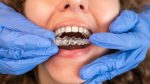
Clear aligners are removable trays.
- Nearly invisible
- Can be taken out for eating and brushing
- Require strong daily wear habits.
They are best for mild to moderate alignment concerns and are often discussed alongside dental braces treatment options.
What Happens During Dental Braces Treatment?
The process is typically a clear one.
- Review of Test and Images
- Options for braces discussion.
- Fitting of braces or aligners
- Frequency check-ups and maintenance.
- Plaque Retention in Addition to Treatment.
A dentist in Peterborough or the orthodontic provider monitors how your teeth react to aligning trays regularly.
How Long Does Braces Treatment Take?
The length of treatment differs per person.
- Light cases: around 12 months.
- Moderate cases: 18–24 months
- Complex cases: longer
The timing depends upon age, bite problems and compliance with instructions. If you visit the dental clinic near you, the treatments can be kept on track.
Are Braces Painful?
Braces are not painful, but mild pressure is normal.
- Soreness may occur after adjustments.
- Discomfort usually fades in a few days.
- Soft foods help during adjustment periods.
This pressure is a sign that teeth are moving as planned.
Daily Care With Braces
Good care helps prevent problems during dental braces treatment.
- Brush after meals
- Use floss tools or water flossers.
- Avoid very hard or sticky foods.
- Wear elastics as directed.
Following these habits protects teeth and shortens treatment time.
Who is a Good Candidate for Braces?
Braces may be helpful if you have:
- Crooked or crowded teeth
- Gaps between teeth
- Overbite or underbite
- Jaw alignment concerns
A consultation for treatment of dental braces in Peterborough helps determine the right plan for your smile.
A Thoughtful Next Step for Your Smile!
The decision to choose braces is a long-term decision that would be good for your looks as well as oral health. Chemong Family Dental provides easy-to-understand explanations, personalized care, and comfortable treatment for all age groups. Don’t hesitate to contact us for a consultation today to know your options and take the next confident step towards a healthier, well-aligned smile.
FAQs
1. Are braces meant only for children?
No. Braces are used by all age groups. The important thing is having healthy gums and teeth rather than how old you are.
2. Can braces resolve biting issues?
Affirmative. Dental braces are designed to position the upper and lower teeth in proper order.
3. Will braces affect your pronunciation?
People may initially detect slight alterations, but speech generally adapts in a few days.
4. Are clear aligners as effective as braces?
They can be effective for certain cases. More complex issues may still need traditional braces.